Commercial Waste in New Cross

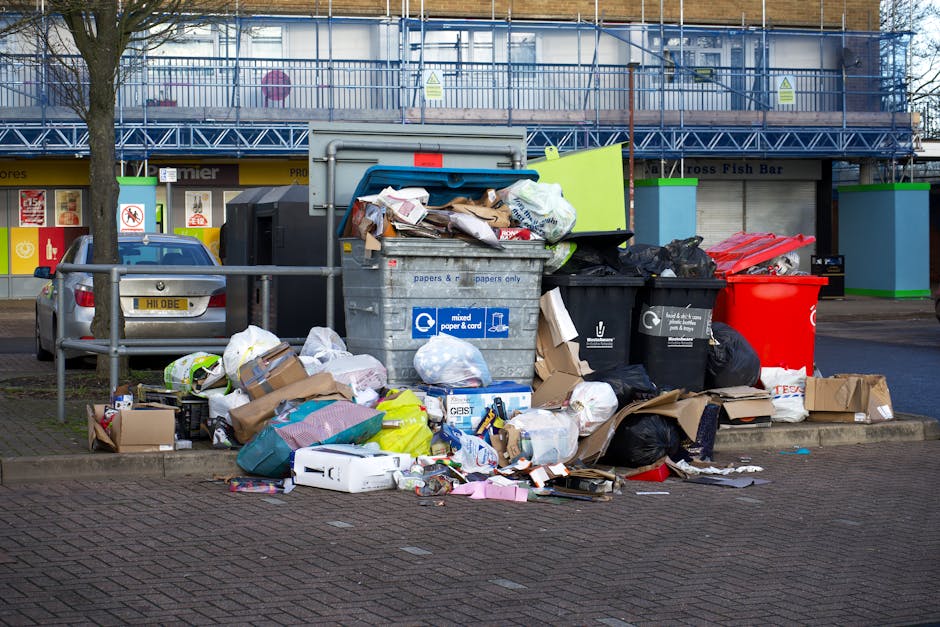
Commercial waste in New Cross needs a service that is organised, lawful and clear about what happens to different kinds of business rubbish. We collect and remove a wide range of non-hazardous commercial waste, helping workplaces keep on top of routine disposal without letting bins, stockroom clutter or packaging build up. The focus is on practical clearance, sensible sorting and dependable handover, so your business can keep its space working properly.
Our commercial waste removal work is suited to offices, shops, workshops, cafés, studios and other premises that produce mixed day-to-day waste. Typical loads can include bagged refuse, cardboard, broken fixtures, unwanted office items and other general business waste that needs to be moved promptly and handled in line with local disposal routes. If you need a straightforward quote, get in touch and we will talk through the waste you want removed.
Because every workplace produces a different mix of material, the most useful service is one that separates what can be reused, recycled or disposed of appropriately. That means looking at access, lifting needs, loading volume and any item that may need special handling before collection. Clear descriptions of the waste help us shape the right removal plan, while simple preparation, such as keeping items together, makes the visit more efficient. Ask for a quotation when you are ready to compare the options.
Business waste removal for routine and one-off clearances
Business waste removal is often needed for recurring overflow as well as one-off clearances after a refit, stock change or office reshuffle. We can handle mixed commercial rubbish that is no longer useful on site and needs taking away in a controlled way. The aim is to keep the process clear: identify the material, decide what can be separated, and arrange removal without disrupting your day more than necessary.
This service is useful when a workplace has more than a single bin bag’s worth of waste, or when bulky pieces are standing in the way of normal work. Cardboard, packaging, unwanted shelving, loose office contents and broken non-hazardous items can all add up quickly. If you are planning ahead, send us the basic details and we can discuss the likely scope before arranging the collection.
What can be taken away from your premises
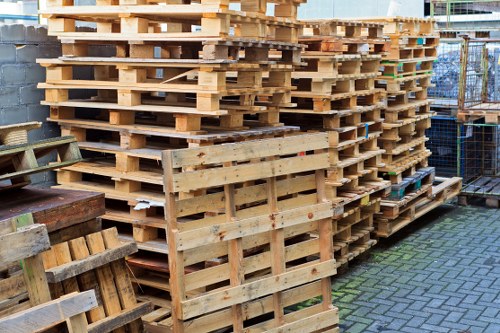
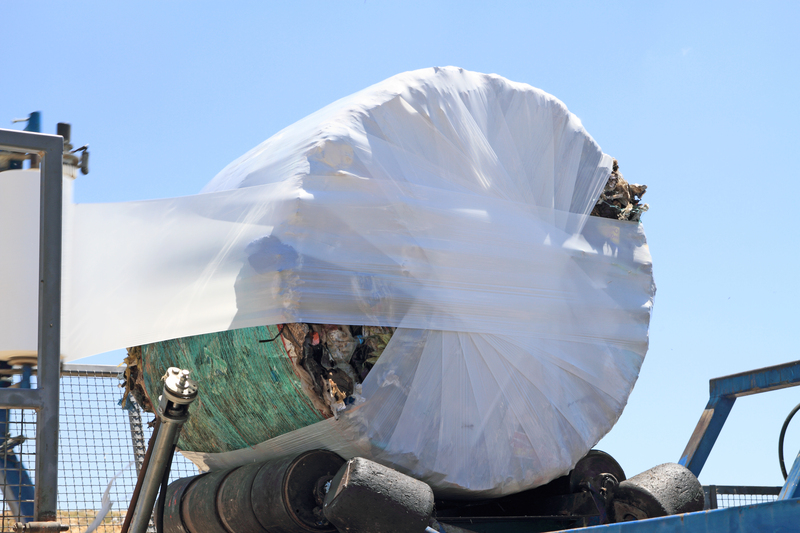
Commercial waste does not always look the same from one site to the next, so it helps to be specific about what is in the load. General waste often includes paper, mixed packaging, plastic film, worn-out supplies, display materials and other items that have reached the end of their use. We can also remove many bulky pieces that would be awkward to move through normal bin systems, provided they are suitable for this type of service.
For many customers, the real value is not only the removal itself but the ability to clear several different categories together in one visit. That can be especially useful where a room contains old furniture alongside smaller items, or where stockroom waste has become mixed with office leftovers. When you ask for a quotation, a short list of the main item types gives a better starting point than a vague estimate.
Useful examples of commercial waste we are commonly asked about include:
- bagged office and workplace rubbish
- cardboard and general packaging
- broken desks, shelving and similar items
- unwanted retail or storage contents
- mixed non-hazardous clear-out waste
Office waste, stockroom clearances and workspace tidy-ups
Office waste removal is often about restoring usable space rather than simply emptying bins. Desks, chairs, filing units, monitor boxes, outdated stationery, archived paper and redundant equipment can all contribute to congestion if they are left too long. We can remove the waste that has built up around day-to-day work, helping you regain room without needing to manage every item in separate trips.
Stockrooms and back-of-house areas present a slightly different challenge because the waste is often mixed with items that were once stored for use. A careful clearance can separate what still belongs on site from what should go. That is particularly helpful where items have become damaged, duplicated or outdated. If you want a cleaner working area, a focused clearance may be the most practical way to deal with the build-up.
Waste handling, sorting and disposal choices
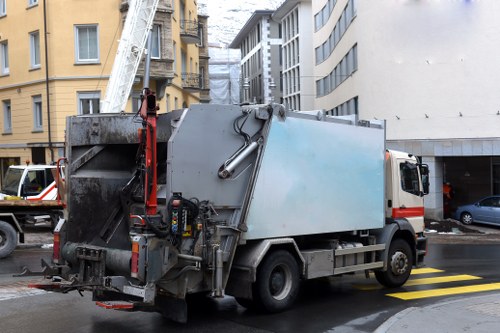
Good waste handling starts with sorting. Different materials may need different disposal routes, and some items are better separated before loading so that reusable or recyclable material is not mixed unnecessarily with general rubbish. That is why we pay attention to the type of waste, the amount involved and how it is presented. It is a practical step that supports responsible disposal and keeps the process more efficient.
Recycling and sustainability matter to many businesses, but the right approach depends on what is actually in the load. Cardboard, paper, metals and some rigid plastics may be suitable for recycling pathways, while mixed or contaminated waste may need another route. We do not promise that every item can be recycled, but we do aim to keep the handling as sensible as possible and to avoid unnecessary mixing where separation is realistic.
There are also practical limits. Certain waste streams may need specialist treatment, and not every item is suitable for a standard commercial clearance. If you have something unusual, mention it early so it can be assessed properly. That avoids assumptions and helps you decide whether a straightforward collection is the right choice or whether a more specific disposal route is needed.
How to prepare a quotation for commercial waste removal
To prepare an accurate quotation, it helps to describe the waste in plain terms rather than trying to classify everything perfectly. Tell us what kinds of items you have, roughly how much space they occupy and whether there are any access issues such as stairs, lifts, narrow corridors or loading restrictions. Those details help shape the work and reduce the chance of surprises on the day.
If possible, keep the waste in one area and separate anything that must stay on site. That is particularly useful in busy workplaces where different teams use the same room. You do not need to over-prepare the space, but a little organisation goes a long way. When you are ready, request a quotation and we will discuss the removal in practical terms.
Commercial clearance for shops, cafés and customer-facing premises
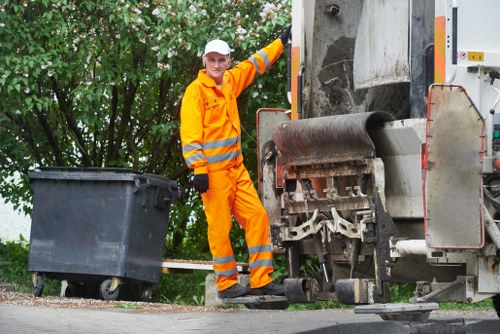
Customer-facing businesses often need commercial waste removal that can work around open hours, stock movements and limited storage. Shop waste can include packaging, display waste, damaged fixtures, back-of-house clutter and items being taken out during a refresh. In cafés and similar premises, there may also be worn furnishings, broken equipment or mixed rubbish from storage areas that no longer serves the business.
A well-planned clearance is useful when the priority is to keep staff areas manageable and public-facing spaces tidy. Removing surplus waste can make room for new stock, help with refits and reduce the chance that clutter gets in the way of normal trading. If your premises are being reorganised, it is often better to deal with the accumulated waste in one planned visit than to leave it to piecemeal disposal.
Office and workplace waste in practical terms
Office and workplace waste tends to fall into familiar patterns, but the size and mix of a load can still vary widely. Some customers mainly need paper and packaging removed, while others have furniture, fixtures or outdated equipment to clear as well. We can discuss the most practical way to approach the job once we know whether the priority is a general tidy-up or a fuller removal of redundant contents.
For larger clearances, it can help to think in terms of zones: desks and chairs, storage items, loose rubbish, packaging and anything that needs separating for another route. That is not about creating extra work; it is about making the removal more orderly and easier to price sensibly. If a room is being reconfigured, a structured clearance is often the simplest way to move forward.
About New Cross
New Cross is a district in south-east London within the London Borough of Lewisham, close to the River Thames corridor and neighbouring areas such as Deptford, Brockley and Peckham. The area is known for its strong transport links, including New Cross and New Cross Gate stations, which place it on important rail routes into central London and beyond. The district sits on the historic route of New Cross Road, a line of movement and commerce that has shaped local development for generations. New Cross has long been associated with a varied urban character, with terraces, post-war buildings and contemporary developments sitting alongside older streets and landmarks that reflect different phases of growth. Goldsmiths, University of London is a major local presence, and the institution has helped give the area an academic and cultural identity as well as an everyday residential one. The neighbourhood also connects to a wider cultural landscape through venues, performance spaces and community activity. Nearby Telegraph Hill is notable for its open spaces and views, while the area’s position between central London and the inner south-east gives it a distinctly connected feel. New Cross has also been shaped by its industrial and transport history, with the surrounding districts recording long-term patterns of movement, trade and urban change. That mix of education, housing, historic routes and local enterprise gives the place a character that is practical as well as lively, with many streets showing the layered development of inner London over time.
Bulky items and larger clearances

Some commercial waste jobs involve more than light bagged rubbish. Larger items such as office furniture, display units, shelving, filing cabinets or worn storage equipment may need extra planning because they are heavier, awkward to move or too bulky for normal disposal. We can look at those items as part of the wider clearance and discuss the most sensible way to remove them without disturbing the rest of the premises.
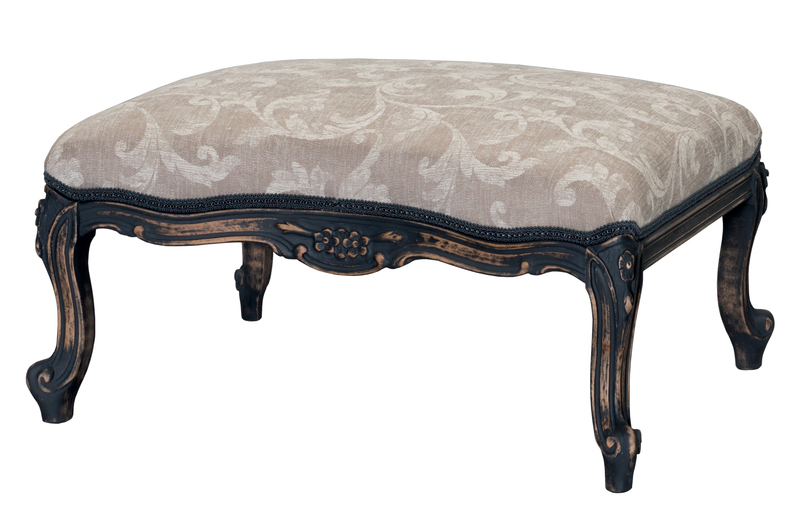
Furniture disposal and related clearance work can be especially relevant where a workplace is changing layout or replacing old fixtures. The aim is to remove the unwanted pieces cleanly and avoid leaving the site half-cleared. Where several bulky items are involved, it often makes sense to group them with mixed waste so the job is handled together rather than in stages.
For a clear and sensible next step, tell us what needs to go and ask for a quote. We will use the information you provide to shape a straightforward commercial waste removal plan for your New Cross premises, with the practical details explained before anything is booked.