Goldsmiths student flat rubbish collection tips for New Cross
If you live in a shared Goldsmiths flat, you already know how quickly rubbish can pile up. One person leaves a bag in the hall, someone else forgets the recycling, and suddenly the place feels cluttered, a bit whiffy, and far more stressful than it should. These Goldsmiths student flat rubbish collection tips for New Cross are designed to help you keep on top of the mess without turning bin day into a full-time job.
Whether you are moving out, clearing a term's worth of cardboard, dealing with old furniture, or just trying to keep the kitchen usable, the right approach saves time, avoids complaints, and keeps everyone on speaking terms. That last one matters more than people admit. This guide walks you through the practical stuff: what to sort, what to avoid, how to work with your flatmates, and when a proper clearance service makes more sense than yet another frantic trip to the pavement with black bags.
For readers who need a broader rubbish and clearance option beyond a student flat, it can help to look at waste removal in New Cross and the more targeted flat clearance service pages for context.
Table of Contents
- Why Goldsmiths student flat rubbish collection tips for New Cross Matters
- How Goldsmiths student flat rubbish collection tips for New Cross Works
- Key Benefits and Practical Advantages
- Who This Is For and When It Makes Sense
- Step-by-Step Guidance
- Expert Tips for Better Results
- Common Mistakes to Avoid
- Tools, Resources and Recommendations
- Law, Compliance, Standards, or Best Practice
- Options, Methods, or Comparison Table
- Case Study or Real-World Example
- Practical Checklist
- Conclusion
- Frequently Asked Questions
Why Goldsmiths student flat rubbish collection tips for New Cross Matters
Student flats in New Cross tend to run on a fairly familiar pattern: busy mornings, late-night deliveries, takeaway boxes, recycling left in the wrong corner, and a group chat that somehow never quite solves the bin issue. If that sounds familiar, you are not alone. In shared accommodation, rubbish does not stay "just rubbish" for long. It affects hygiene, space, neighbour relations, and, frankly, mood.
The New Cross area has its own practical quirks too. Streets can be tight, storage space is limited, and a lot of student housing simply was not designed for modern amounts of packaging, small appliances, and end-of-term clutter. That is why rubbish collection tips are not just about being tidy. They are about making the flat easier to live in.
For Goldsmiths students in particular, the timing matters. End of term, moving day, house share reshuffles, and summer clear-outs are the moments when waste suddenly becomes a bigger project. If nobody plans ahead, rubbish tends to gather in corners, by the back door, or next to the sofa nobody wants to deal with. Let's face it, that is where the trouble starts.
There is also a trust and safety angle. Wrongly stored bags can attract pests, cause smells, and create slip or trip hazards. Broken glass, batteries, old electronics, and mixed waste can make the issue worse. A bit of planning now is much easier than sorting through a grim pile later.
Expert summary: For student flats, the best rubbish collection strategy is usually a mix of simple sorting, shared responsibility, and fast removal of bulky items before they turn into a bigger problem.
How Goldsmiths student flat rubbish collection tips for New Cross Works
The basic idea is simple: separate waste early, store it safely, and remove it on a schedule that fits your flat rather than waiting until the place is overloaded. In practice, that means thinking in categories instead of one giant "bin bag mountain".
Most student flats need to deal with a few common streams:
- general household rubbish
- recycling such as cardboard, cans, tins, and clean plastic packaging
- food waste and contaminated packaging
- bulky items like chairs, broken desks, mattresses, and old shelving
- electrical items, cables, and small appliances
- occasional awkward items such as fridges, sofas, or damaged furniture
That mix is why a one-size-fits-all approach usually fails. A cardboard box left flat in the hallway is easy enough. A damp bag of mixed waste, a half-broken chair, and an old mini-fridge? Not so easy. Some items need special handling, and some are better handled through dedicated services like furniture disposal or fridge and appliance removal.
If you are booking help rather than doing everything yourselves, the process is usually straightforward: identify the waste, get a quote, agree a collection time, and prepare the items so they can be removed quickly. The smoother your access and sorting, the more efficient it tends to be. That is true whether you are clearing one room or the whole flat.
There is one small but useful reality check here: student waste is often not "just a few bags". In a shared flat, it can become furniture, packaging, old cookware, and a lot of odd bits nobody remembers buying. That is why good collection tips are really about planning, not panic.
Key Benefits and Practical Advantages
Good rubbish collection habits pay off quickly in a student flat. You notice it in the morning when the kitchen smells less strange, and you notice it at the end of the week when nobody is stepping over a pile of recycling to make tea. Small wins, but real ones.
- Less clutter: Clear floors and hallways make the flat feel bigger and calmer.
- Better hygiene: Waste removed on time reduces smell, dampness, and pest attraction.
- Fewer arguments: A simple system stops the "whose bag is this?" conversation. Which, to be fair, nobody enjoys.
- Faster move-outs: When the end of term arrives, you are not scrambling at the last minute.
- Safer living space: No loose glass, blocked exits, or heavy items left in awkward places.
- Better recycling: A bit of sorting improves the chance that recyclable materials stay separate and clean.
There is also a practical money angle. If waste is managed well, you are less likely to pay for emergency last-minute removal or waste time on repeated trips. In many shared flats, that efficiency matters more than people expect. Students are busy; no one wants a Saturday sacrificed to carrying a broken wardrobe down three flights of stairs.
For bulkier clearances, it can be worth comparing general rubbish removal with more specific help such as furniture clearance, especially when a few large pieces are the real problem rather than the everyday bags.
Who This Is For and When It Makes Sense
This advice is for Goldsmiths students living in shared flats, studio accommodation, or house shares around New Cross who want a cleaner, easier way to handle rubbish and unwanted items. It is especially useful if your flat has:
- shared kitchen or corridor waste build-up
- limited bin storage
- end-of-tenancy clearing pressure
- multiple people producing waste at different times
- bulky furniture left behind by previous tenants
- broken appliances or awkward items that do not fit normal bins
It also makes sense when you are staying put but want to reset the flat after a hectic term. Maybe the bins have been ignored for a while. Maybe one room has become a storage zone for "stuff we'll deal with later". Later has a way of becoming now.
You may need a different approach if your issue is mostly a single bulky item, a full-room clear-out, or something more specialised. For example, mattresses, sofas, and heavy furniture are often better handled through focused services such as mattress and sofa disposal. If you are clearing several rooms, a broader home clearance can be more efficient than trying to piece things together one load at a time.
Truth be told, the method you choose depends on your flat's reality, not a perfect theory. If the kitchen bin is overflowing every three days, you need a system. If you are getting rid of three large items before move-out, you need a different one.
Step-by-Step Guidance
Here is a simple, practical process that works well in student flats. It is not fancy. It does work.
1. Walk the flat and identify every waste type
Start with a quick room-by-room check. Look for general waste, recyclables, food waste, cardboard, broken items, old clothes, electronics, and anything bulky. You will often find more than you thought, usually in the corners nobody looks at until the smell gives them away.
2. Separate rubbish into clear groups
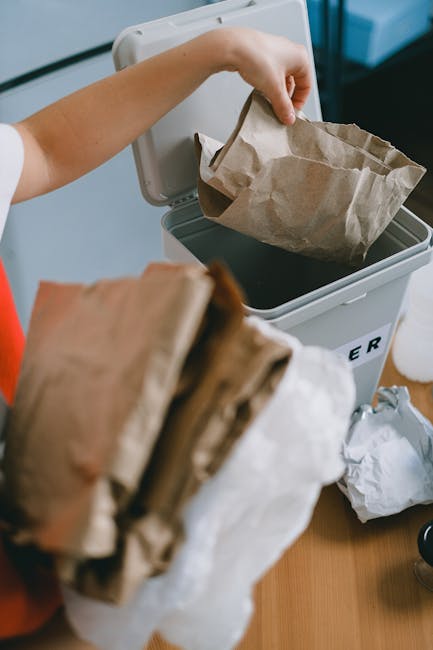
Use bags, boxes, or labelled corners of the room to split waste early. Keep recyclables clean and dry where possible. If food waste has soaked into cardboard or paper, it generally belongs with general waste rather than recycling. Simple rule, but a useful one.
3. Decide what can be bagged and what needs special removal
Small waste can usually be bagged for ordinary collection. Bulky furniture, mattresses, appliances, and broken fittings need a different route. If a flat clear-out is getting out of hand, flat clearance is often the cleanest option.
4. Set a collection point that does not block access
Keep bags in a dry, safe spot that does not block doors, hallways, or fire exits. Avoid stacking things where they can fall over. This sounds obvious, but in a packed student flat obvious things are the first to be ignored.
5. Book removal before the waste becomes urgent
If you already know you have bulky waste, do not wait until the final night. Book early, especially during move-out season. You will feel better for it, and the collection usually goes more smoothly if everything is ready when the team arrives. For bookings and timing, you can use the site's book online option.
6. Prepare items for quick lifting
Take drawers out if needed, empty furniture, tape loose cords together, and separate anything sharp. A bit of preparation saves a lot of back-and-forth. You do not need to overdo it, just make the load safe and accessible.
7. Do a final sweep after collection
Once the waste is gone, check corners, under beds, behind radiators, and inside cupboards. That final sweep catches the random odds and ends: old hangers, tangled cables, single shoes, and the mysterious spoon that was missing for two months.
Expert Tips for Better Results
In our experience, the best student rubbish systems are the ones that stay boring. Not glamorous. Just repeatable. That is what makes them work.
- Assign waste roles: One person handles recycling, another handles general waste, another keeps an eye on bulky items. It sounds a bit school-project-ish, but it works.
- Use one "overflow" box: Keep a spare box for odd packaging, loose lids, and things that do not belong in bags yet.
- Flatten cardboard immediately: Cardboard takes up huge amounts of room if it is left whole. Flatten it straight away and the flat feels less cramped.
- Keep food waste separate: Rinse containers lightly if needed, and do not mix greasy takeaway boxes with clean recycling.
- Remove broken items early: Waiting on a cracked chair or wobbly shelf usually means it becomes everyone's problem.
- Plan around move-out week: End-of-term is not the time to discover you have two wardrobes and no lift. That bit stings.
If your flat includes older furniture that has seen better days, it may be worth checking the page on what can go in a skip so you know how bulky waste is commonly handled and what needs separate treatment.
Another practical point: keep one small bin or caddy in the kitchen just for items that need attention later, like batteries, cords, or broken chargers. Do not let them drift into random drawers. That is where clutter breeds.
Common Mistakes to Avoid
Student flats do not usually fall apart because of one huge error. It is more often five little habits that stack up. That includes the classic "someone will sort it later" strategy. Spoiler: later often never arrives.
- Mixing everything together: Clean recycling, food waste, and general rubbish all in one bag makes sorting harder and dirtier.
- Leaving bags in shared hallways: This blocks access and creates a mess for everyone.
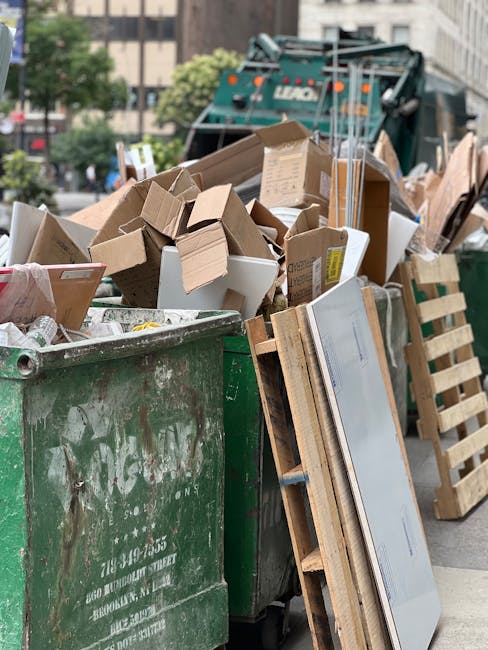
- Ignoring bulky items: One old chair can sit in a corner for weeks if nobody claims it.
- Waiting until the last day: Last-minute disposal is stressful and often more expensive or awkward.
- Forgetting hazards: Glass, batteries, paint, chemicals, and sharp edges need extra care.
- Assuming every item can go in normal waste: It cannot. Some things need specialist handling.
One common mistake worth calling out is appliance confusion. A mini-fridge, microwave, or broken kettle may look harmless, but they are not all treated the same. If you have electrical items to clear, a dedicated service like fridge and appliance removal is often the safer route than trying to wedge them into a general rubbish run.
And yes, somebody in the flat will always say, "I thought someone else was doing it." That line has caused more clutter than any overfull bin ever did.
Tools, Resources and Recommendations
You do not need much equipment to manage rubbish well in a student flat, but the right few bits make everything easier.
| Tool or resource | Why it helps | Best use |
|---|---|---|
| Heavy-duty bin bags | Less likely to split on stairs or sharp edges | General waste and mixed household rubbish |
| Cardboard boxes | Useful for sorting recyclables and loose items | Flattened cardboard, clean packaging, paper goods |
| Labels or tape | Helps flatmates see what goes where | Shared recycling and moving-day sorting |
| Gloves | Protects hands from dirt and sharp bits | Clearing out dusty cupboards or old storage |
| Trolley or sack truck | Makes bulky lifting much easier | Heavy bags, small furniture, appliance moves |
| Clearance service | Useful for bulky or awkward waste | Furniture, mattresses, appliances, full flat clear-outs |
For a full-room or whole-property clear-out, you may want to compare student-flat rubbish management with more general services like house clearance or home clearance if the amount of waste has gone beyond ordinary bin collections.
It can also help to look at recycling and sustainability guidance on the site if you want to improve how much of the flat's waste is handled responsibly. You do not need to become a recycling evangelist overnight. Just start with the basics and keep it consistent.
Law, Compliance, Standards, or Best Practice
This part matters more than students sometimes realise. In the UK, waste has to be handled carefully, and that includes student flats. You do not need a legal degree to get the basics right, but you do need to avoid dumping waste, leaving hazards where they can cause harm, or handing over items to people who are not properly equipped to deal with them.
As a general rule, households and shared flats should keep waste contained, avoid blocking access routes, and separate anything that is hazardous or likely to cause injury. That means no loose glass by the door, no leaking bags, and no mystery liquids mixed into recycling. Pretty straightforward, really.
If an item is hazardous or potentially dangerous, it should be treated with extra care. That includes certain chemicals, contaminated materials, and some electrical or sharp waste. When you are unsure, a cautious approach is best. If the item is genuinely risky, use a suitable route such as hazardous waste disposal rather than guessing.
Best practice also means being honest about access and load size. If a collection team is coming to a New Cross flat, tell them about stair access, parking constraints, awkward furniture, and anything else that could slow things down. Clear information prevents delays and avoids unnecessary back-and-forth. That's the kind of detail people skip, then regret later.
For businesses, privacy-sensitive waste, or property management situations, other services may be more appropriate. A student flat is different from an office, and the standards of handling should match the setting. If you are dealing with mixed occupants or broader building waste, the site's office clearance and confidential shredding pages may be relevant in a wider context.
Options, Methods, or Comparison Table
Different flats need different solutions. Some just need a better bin routine. Others need a proper clear-out. Here is a simple comparison to help you choose.
| Method | Best for | Pros | Watch-outs |
|---|---|---|---|
| Routine shared sorting | Weekly student rubbish and recycling | Cheap, simple, low effort | Relies on everyone cooperating |
| Self-haul to disposal point | Smaller loads and flexible schedules | Good control, useful for one-off items | Time, transport, lifting, parking |
| Bulky item collection | Furniture, mattresses, appliances | Fast, convenient, less strain | Needs booking and clear item prep |
| Full flat clearance | Move-out, end-of-tenancy, major clutter | Most efficient for large amounts | More planning required, depending on load |
In a Goldsmiths student flat, the best method is often a mix. Use routine sorting for day-to-day rubbish, then upgrade to collection or clearance when you hit bigger items. There is no prize for doing the hardest possible version of the job yourself.
If you are comparing options and pricing, it may also help to review pricing and quotes so you can judge whether a quick collection or broader clearance is the better fit.
Case Study or Real-World Example
Here is a realistic example from the sort of situation that happens all the time around New Cross.
A three-person Goldsmiths student flat near campus got into a classic end-of-term mess. There were four black bags by the sink, flattened cardboard leaning against the wall, a broken desk chair in the bedroom, a mattress that nobody wanted to touch, and a small appliance that had stopped working months earlier. Nothing dramatic on its own. Together, though, it felt like the flat was shrinking by the hour.
They started with a simple plan: one person sorted recycling, one grouped general waste, and one photographed the bulky items for a clearance quote. They moved everything away from the exit, kept the hallway clear, and removed glass and loose metal bits from the furniture. The mattress and chair were collected together, and the remaining household rubbish was bagged separately. By the time the collection happened, the flat had gone from stressful and cramped to manageable in under an afternoon.
The interesting part was not the size of the job. It was the order. Once the flat had a system, everyone relaxed. No shouting, no last-minute panic, no awkward "whose stuff is this?" debate. Just done.
That is usually how it goes in real life. Good rubbish collection is less about heroics and more about avoiding chaos.
Practical Checklist
Use this checklist before any collection or end-of-term clear-out.
- Identify general waste, recycling, bulky items, and anything hazardous
- Flatten cardboard and keep it dry
- Seal bin bags properly and avoid overfilling them
- Keep bags out of hallways and fire exits
- Separate furniture, appliances, and mattresses from ordinary rubbish
- Remove sharp edges, loose drawers, and trailing cables where possible
- Check that all flatmates know what goes where
- Book removal early if the waste is too much for normal bins
- Confirm access details such as stairs, parking, and entry points
- Do a final sweep of cupboards, under beds, and behind furniture
Keep it simple. The cleaner the process, the less likely things are to get messy again two days later.
Get a free quote today and see how much you can save.
Conclusion
Goldsmiths student flat rubbish collection in New Cross does not need to be a constant headache. With a little sorting, a shared plan, and the right removal approach for bulky or awkward items, you can keep your flat usable without spending all week thinking about bins. That is the whole point, really.
Start small if you need to. Flatten the cardboard. Separate the recycling. Remove the one broken thing that has been bothering everyone for ages. Then build a routine that your flatmates can actually stick to. It does not have to be perfect. It just has to be practical.
If the job is bigger than a normal bin run, use the relevant collection and clearance options rather than forcing everything into one frustrated carry-out. The sooner it is dealt with, the sooner the flat feels like home again. And that, to be fair, is worth a lot.
Frequently Asked Questions
What is the easiest way to manage rubbish in a Goldsmiths student flat?
The easiest method is to sort waste early, flatten cardboard straight away, and keep general rubbish separate from recycling. A simple shared system usually works better than trying to fix everything at the end of the week.
How often should student flats empty rubbish in New Cross?
As often as needed to stop overflow, smells, and hallway clutter. For many shared flats, that means checking bins several times a week, especially when cooking frequently or ordering a lot of deliveries.
What should I do with old furniture from my student flat?
Old furniture is usually best handled separately from everyday waste. If it is still usable, consider whether it can be reused. If not, a furniture-focused collection is often the cleanest option.
Can I put a broken mini-fridge or appliance in the normal bin?
No, not usually. Appliances should be dealt with properly because they can be awkward, heavy, and sometimes contain components that need specialist handling. A dedicated appliance removal route is safer.
How do I stop rubbish building up in a shared flat?
Assign basic responsibilities, use labelled bags or boxes, and set one clear collection point. The main thing is consistency. A tidy routine beats a big clean-up every time.
What items count as bulky waste in a student flat?
Bulky waste usually includes furniture, mattresses, shelving, desks, and larger broken items that do not fit normal bin collections. If you cannot carry it out in a standard bag, it probably belongs in this category.
Is end-of-tenancy rubbish collection different from normal waste removal?
Yes. End-of-tenancy clear-outs often involve a mix of household rubbish, furniture, appliances, and forgotten items in cupboards or under beds. It is usually faster to plan for a broader clearance.
What if my flatmates leave their rubbish behind?
That happens, annoyingly. The best fix is to agree a simple system early and set a final clear-out date before move-out. If the waste has become widespread, a full flat clearance may be the most practical route.
Are there any items I should treat as hazardous waste?
Yes. Certain chemicals, leaking products, sharp materials, and some contaminated items need extra care. If you are unsure, do not mix them into ordinary waste. Handle them cautiously and use a suitable disposal route.
How can I make rubbish collection less stressful on collection day?
Prepare items in advance, keep access clear, and label bulky waste if needed. If you know exactly what is being removed, the whole process is quicker and far less chaotic.
When should I book a professional clearance instead of doing it myself?
Book a clearance when the load is too large, too heavy, or too awkward for normal bins or a simple car trip. If you are dealing with multiple large items, the time and effort saved can be well worth it.
Is recycling worth doing properly in a student flat?
Yes, absolutely. Even basic recycling habits make a noticeable difference in how clean and manageable the flat feels. Keep recyclables clean, dry, and separate, and it becomes much easier for everyone to stay on track.
If you want help with larger items, shared-flat clear-outs, or a more organised removal plan, you can explore the relevant service pages on the site and choose the approach that fits your flat, your timing, and your budget. Small steps help. Then the whole place feels lighter, somehow.