Commercial Waste New Cross — Recycling & Sustainability
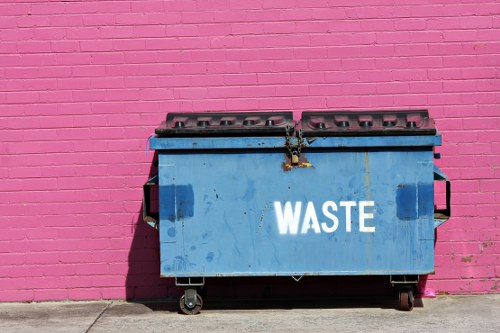 Commercial Waste New Cross champions an eco-friendly waste disposal area model tailored to the dense, mixed-use streets of New Cross. We design sustainable rubbish areas that meet business needs while reducing environmental impact: clear segregation points, scheduled collections to avoid street clutter, and operational rules to keep communal areas clean and safe. This approach supports hospitality, retail and creative industries locally, ensuring waste is a resource rather than a burden.
To help businesses comply with local policies we emphasise simple, effective separation: glass, paper and card, cans and plastics, plus food waste and residual streams. Commercial waste in New Cross is handled so materials remain high quality for recycling — fewer contaminants, better recovery rates. We also promote storage and staging solutions so bins are secure, collections are efficient and recycling streams remain uncontaminated through the supply chain.
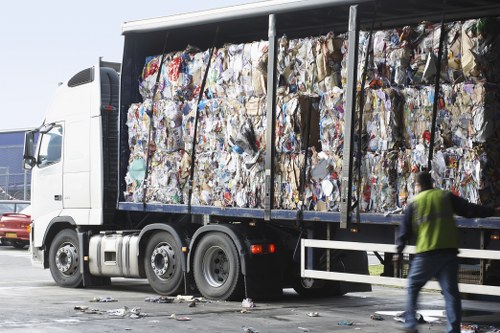 The service aligns with borough priorities: Lewisham and neighbouring councils advocate separate food waste collections alongside mixed recycling collections to increase recovery. Our own company recycling percentage target is clear and ambitious — 70% recycling for commercial accounts by 2030 — with interim milestones for each year to monitor progress and make adjustments for continuous improvement.
Designing a Sustainable Rubbish Area and Low-Carbon Operations
Good design for a sustainable rubbish area minimises roadside time and lowers local disruption. We create designated collection points that are easy for crews to service and simple for staff to use, incorporating signage in multiple languages and regular cleaning schedules. These spaces are planned to feed directly into efficient logistics chains and reduce the risk of fly-tipping and contamination, improving both aesthetics and recycling performance.
Transport is a major part of a low-carbon service. Our fleet strategy emphasizes low-carbon vans, including electric and hybrid vehicles, supported by a transition plan to increase EV use across short and medium-distance rounds. For particularly congested or pedestrianised streets we deploy cargo bikes and small electric carriers for last-mile collections, notably reducing noise, emissions and time on street in busy New Cross zones.
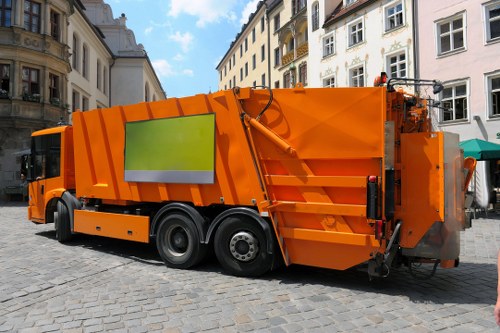 Route optimisation and full-load planning are combined with our low-emission fleet to reduce per-tonne carbon intensity. Data from collection rounds is analysed to cut empty runs and improve fill rates — a practice that reduces fuel use and enhances productivity. Together with other measures, these steps directly contribute to our recycling targets and make the local service more resilient and predictable.
Local Transfer Stations, Materials Recovery and Borough Collaboration
We coordinate closely with local transfer stations and Materials Recovery Facilities (MRFs) across South East London to ensure materials are processed quickly and to the highest standards. Collections from New Cross are routed to transfer hubs in Lewisham and neighbouring borough areas to streamline consolidation, sorting and onward movement to end markets. Faster handoffs mean lower contamination rates and better outcomes for recyclables.
Our working relationships extend to borough waste teams so that commercial collections complement municipal efforts. This coordination helps to align collection schedules, share best practice on separation and supports borough initiatives intended to raise local recycling rates. By cooperating with municipal partners we can scale improvements across adjacent neighbourhoods and reduce redundant vehicle miles.
Partnerships for reuse are central to the circular economy. We collaborate with accredited charities and social enterprises to divert reusable goods — furniture, textiles, unsold retail stock and functional electronics — away from disposal and into local redistribution networks and training programmes.
- Paper & Card: segregated and baled for paper mills to conserve fibres and reduce new pulp demand
- Glass & Bottles: collected clean where possible and sent for cullet recovery at MRFs
- Food Waste: kept separate for anaerobic digestion or commercial composting to cut methane emissions
- WEEE & Furniture: assessed for repair and redirected to charity partners or specialist recycling streams
 Our charity partnerships and reuse pathways reduce pressure on residual waste and support local social value. By working with community-focused organisations we ensure items that still have useful life are refurbished or repurposed locally, generating employment and cutting waste. These collaborations are part of a deliberate strategy to embed circular economy principles into every aspect of commercial waste management in New Cross.
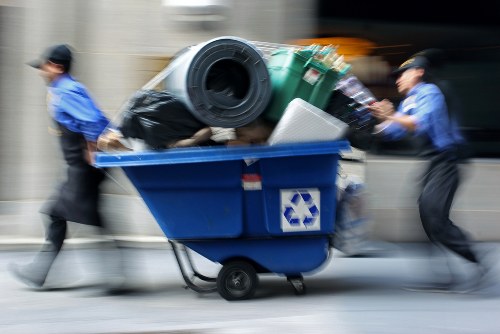 To maintain momentum we support clients with regular audits, transparent reporting and practical improvements for their sites. New Cross commercial rubbish areas become demonstrable showcases of sustainability when businesses commit to separation, charities accept reusable items, and low-carbon vans keep neighbourhood emissions down. Together these elements create a resilient, high-performing eco-friendly waste disposal area for the community and the local economy.
