Lewisham council rules for household rubbish in New Cross
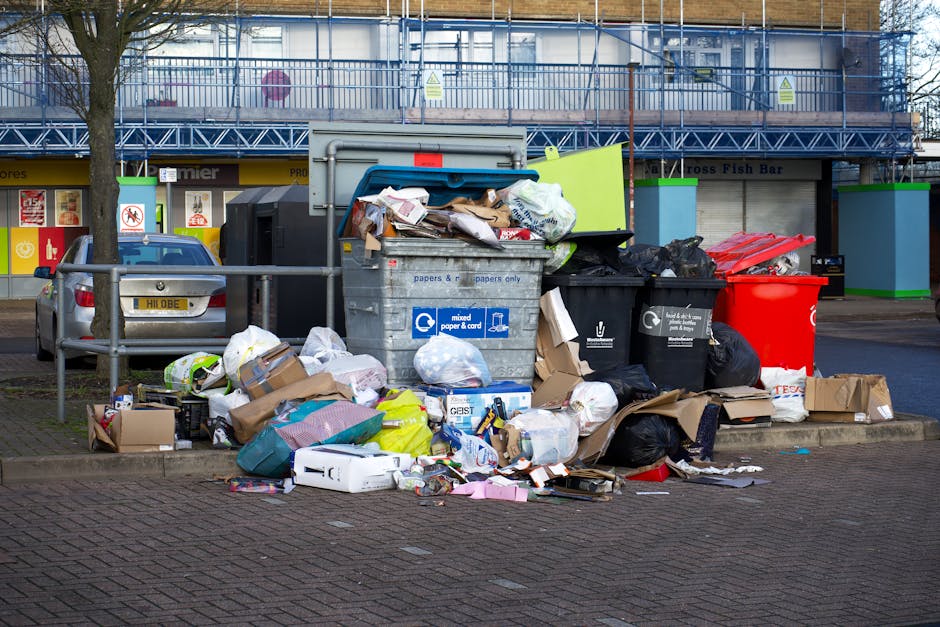
If you live in New Cross, household rubbish can feel simple right up until bin day suddenly becomes a small puzzle. What goes in which bin? Why was one bag left behind? And what happens when you've got an awkward item that won't fit the normal routine? This guide to Lewisham council rules for household rubbish in New Cross breaks it all down in plain English, so you can avoid missed collections, fly-tipping risks, and that slightly awkward moment of staring at a bin lid that just will not close.
We'll cover how the system generally works, what households are expected to do, the most common mistakes, and how to deal with larger items or tricky waste sensibly. You'll also find practical checklists, a comparison table, and a realistic example from day-to-day life in a London home. Let's make the whole thing easier.
Why Lewisham council rules for household rubbish in New Cross Matters
Household waste rules are not just admin in the background. They affect whether your rubbish is collected on time, whether your street stays tidy, and whether you can dispose of items without causing a nuisance or a compliance issue. In a dense part of London like New Cross, where many homes sit close together and storage space is limited, small mistakes can quickly become visible problems.
There's also a practical side to it. When you know what belongs in the general rubbish bin, what should be recycled, and what needs a separate route, you spend less time guessing. That means fewer bags stacking up by the door, fewer pest worries, and less stress on collection day. To be fair, nobody wants to drag a leaky bag down the pavement at 7am because they left sorting until the last minute.
It matters even more if you share bins in a block of flats or a converted house. One household's mistake can affect everyone else. A wrongly placed bag, a loose sharp object, or an oversized item left out too early can create problems for neighbours as well as the collection crews.
Expert summary: The best way to stay on the right side of local waste rules is simple: separate waste properly, use the right containers, present it at the right time, and treat anything unusual as a separate decision rather than a guess.
How Lewisham council rules for household rubbish in New Cross Works
The exact collection setup can vary by property type, but the general structure is familiar across London households. Most homes will have a routine for general rubbish, recycling, and sometimes garden or food waste. The important part is matching your waste to the correct stream, using the right bin or sack, and putting it out according to the collection schedule that applies to your address.
In practical terms, the council's household rubbish rules usually focus on five things:
- what counts as ordinary household rubbish
- what must be recycled separately
- what should never go in the general bin
- how items should be presented for collection
- what to do with bulky, hazardous, or awkward waste
That last point is where many people get caught out. A broken table, old mattress, fridge, or bag of renovation rubble does not behave like everyday rubbish. It needs a different disposal route. If you need a broader overview of removal options, the site's waste removal page is a useful place to start, and for bulky items there are dedicated pages such as mattress and sofa disposal and fridge and appliance removal.
Households in flats often need a little more coordination. Shared bins can fill quickly, and if everyone assumes someone else will sort the overflow, the result is usually bags on the floor and a mild domino effect. Not ideal. If you're living in a compact property, the rules matter just as much, maybe more.
Key Benefits and Practical Advantages
Following the correct household rubbish rules is not just about avoiding trouble. There are some immediate, everyday benefits that make life easier.
- Cleaner communal spaces: Properly presented waste is less likely to spill, smell, or attract pests.
- Fewer missed collections: If the right items go in the right container, crews are less likely to leave a bag behind.
- Less clutter at home: A clear disposal routine stops waste from piling up in kitchens, hallways, and balconies.
- Better recycling outcomes: Recyclable material has a better chance of being recovered if it is sorted correctly.
- Lower risk of fines or complaints: Poor waste presentation can lead to enforcement attention or neighbour complaints.
There's also a calmer, more human benefit: you feel on top of your home. A house or flat just works better when the rubbish system is under control. Sounds small, but it isn't.
And if you're dealing with a larger clear-out, sorting household waste correctly can make the whole process much smoother. Services like home clearance, house clearance, or flat clearance can be a sensible backup when normal bins are simply not enough.
Who This Is For and When It Makes Sense
This guidance is useful for a wide range of people in New Cross. You might be a tenant trying to get bin day right. You might own your home and be decluttering room by room. You might manage a small block, an HMO, or a shared building where one person's mistake becomes everyone's problem. Or you may simply be dealing with a bulky item and need to know whether it belongs in normal household rubbish at all. Usually, it does not.
It also makes sense if you're moving out, clearing a loft, or doing a soft reset of the home before guests, end-of-tenancy checks, or a renovation. In those moments, waste seems to multiply overnight. One pile becomes three. We've all seen it happen.
If your project involves old cupboards, wardrobes, garden debris, or forgotten storage clutter, it may be more efficient to use a specialist service instead of trying to force everything into standard collections. Relevant options include furniture clearance, garden clearance, and garage clearance.
Step-by-Step Guidance
If you want to handle household rubbish properly in New Cross, use a simple process rather than relying on memory. That's usually where mistakes start.
- Separate the waste at source. Put recyclables, general rubbish, food waste, and bulky items into their own piles as you go. Don't leave sorting until the evening before collection. You'll hate yourself a bit for that.
- Check whether the item is ordinary household waste. If it is broken furniture, a large electrical item, sharp material, chemicals, or building debris, stop and treat it as a separate category.
- Use the correct bin or container. Shared buildings often have different arrangements from houses. A communal bin store can work well, but only if residents use it correctly.
- Contain waste securely. Bags should be tied, lids should close, and anything messy or sharp should be wrapped safely. Loose rubbish creates both litter and risk.
- Put bins out on time. Early is better than late, but not so early that bins become an obstruction. Evening-before placement is common in many areas, though always follow local instructions for your property.
- Remove bins promptly after collection. This is basic courtesy and keeps pavements clear.
- Arrange a separate route for special waste. If something cannot go in standard household waste, organise an appropriate disposal method rather than leaving it to chance.
If you're unsure about a bulky household item, ask yourself a very simple question: would you expect a normal kerbside collection to take it? If the answer is no, it probably needs a different solution.
For appliance-heavy clear-outs, the dedicated pages for fridge and appliance removal and mattress and sofa disposal can help you think through the right route before items start leaning in a hallway for three days. Which, frankly, is how problems begin.
Expert Tips for Better Results
After dealing with enough household clear-outs, a few habits stand out. They are simple, but they save time and hassle.
- Keep a small "decision corner" in the home. If you're not sure about an item, place it somewhere separate rather than putting it in the wrong bin by default.
- Flatten cardboard and squash packaging. This gives you more room and makes sorting easier. A little satisfying too, if we're honest.
- Use a bag for loose bits. Batteries, broken plastic, packaging ties, and tiny scraps can otherwise end up everywhere.
- Wrap sharp edges. Broken glass, metal offcuts, and damaged furniture need careful handling, even at household level.
- Think about smell and moisture. Food waste and damp packaging can turn a small bin into a nuisance fast, especially in warm weather.
- Plan around weekends and busy periods. If your collection day falls near a bank holiday or a busy household reset, sort a day earlier than usual.
One very practical tip: take a photo of unusual items before you decide what to do with them. It helps if you need to compare options or ask for a quote. That little photo can save ten minutes of back-and-forth later.
If you're also interested in the environmental side of disposal, the recycling and sustainability page gives a helpful sense of how responsible disposal fits into the bigger picture.
Common Mistakes to Avoid
Most household rubbish problems come from a handful of familiar errors. The good news? They are all avoidable.
- Mixing recyclable items with general rubbish. This reduces recycling quality and can lead to bags being rejected.
- Leaving bags beside full bins. If the bin is full, adding a loose bag is usually the start of a mess, not a solution.
- Putting bulky waste out with ordinary rubbish. Large items rarely belong there, and they can block collections or create hazards.
- Ignoring shared-bin rules in flats. In a communal setup, one household can create a problem for everyone. Annoying, yes, but common.
- Storing rubbish too long indoors. Smell, insects, and trip hazards become a real issue before people expect it.
- Assuming all electricals are the same. Some appliances need separate handling, especially when they contain refrigerant or other components.
- Forgetting about confidential paper. Old statements and personal documents should be destroyed properly, not just binned.
If you regularly generate sensitive paper waste at home or from a small business, confidential shredding is a more sensible route than stuffing papers into the regular rubbish bag and hoping for the best.
Truth be told, many "waste problems" are really just planning problems. A bit of organisation goes a long way.
Tools, Resources and Recommendations
You do not need a complicated setup to manage household rubbish well. A few simple tools and habits are enough for most homes.
- Two or three labelled containers: one for general rubbish, one for recycling, and one for items awaiting a decision.
- Heavy-duty bin bags: useful for preventing split bags, especially with sharp or damp waste.
- Gloves: basic, but useful if you're handling broken or dirty items.
- Marker pens or labels: surprisingly handy in shared homes or busy households.
- Measuring tape: helpful when checking whether a bulky item will fit standard disposal options or needs specialist collection.
For more structured projects, it may help to look at the relevant service pages rather than trying to treat everything as ordinary rubbish. For example, if the house is overflowing after a clear-out, house clearance or home clearance is often more realistic than attempting to manage every bag one by one. If you're tackling a loft or an under-stairs storage area, loft clearance and garage clearance can be particularly useful.
People often ask whether a skip is the answer. Sometimes it is, but not always. If you're comparing options, the guide on what can go in a skip is a practical way to understand the limitations before you book one and then discover the awkward stuff won't fit. Nobody needs that surprise on a Tuesday.
Law, Compliance, Standards, or Best Practice
Household rubbish rules sit within a wider framework of local authority collection practice, public cleanliness, environmental responsibility, and general UK waste duties. You do not need to memorise the law to be a good householder, but it does help to know the broad expectations.
At a practical level, the core standards are straightforward:
- present waste safely and neatly
- sort recyclable material where required
- avoid placing prohibited items in general waste
- do not obstruct pavements or shared access areas
- use approved routes for bulky, hazardous, or specialist waste
For anything that could cause injury, contamination, or environmental harm, best practice is to treat it as a separate disposal decision rather than a bin-day guess. That applies to sharp glass, chemicals, fridges, old batteries, and similar items. If you are unsure, it is usually safer to err on the side of caution.
When waste is generated from a home refurbishment or repair project, the line between household rubbish and construction waste becomes important. For those situations, builders waste clearance is far more appropriate than trying to mix rubble, wood, and packaging with everyday bin contents. That distinction matters more than most people realise.
There is also a trust element here. Responsible waste handling helps protect shared spaces, street cleanliness, and the local environment. The rules may feel a bit fussy on a bad day, but they exist for a reason.
Options, Methods, or Comparison Table
Choosing the right disposal method depends on the type and volume of waste. Here's a simple comparison that can help you decide without overthinking it.
| Option | Best for | Pros | Watch out for |
|---|---|---|---|
| Normal household bin collection | Everyday rubbish and standard recycling | Convenient, familiar, built into routine | Not suitable for bulky or special items |
| Bulky waste or specialist clearance | Furniture, appliances, mattresses, large mixed items | Handles awkward items properly | Needs planning and may involve separate booking |
| Home or house clearance | Full-room or whole-property decluttering | Efficient for larger jobs | Best when you have sorted what stays and what goes |
| Skip-based disposal | DIY waste and mixed non-hazardous loads | Good capacity, simple for renovations | Restrictions apply; not everything can go in |
The right choice depends less on "what's easiest" and more on "what fits the waste type safely and legally." That's the deciding factor most people miss at first.
Case Study or Real-World Example
A common New Cross scenario goes like this. A tenant is clearing out a two-bedroom flat after a move. There are cardboard boxes, broken dining chairs, a mattress, old kitchen bits, and a small pile of mixed rubbish from the last few weeks. At first glance, it looks like "just take everything to the bin." In reality, that would create problems quickly.
The better approach is to split the waste into layers. Cardboard gets flattened and recycled. General household rubbish is bagged properly. The mattress is separated for dedicated disposal. The broken chairs go with furniture waste rather than the normal bin. A few damaged items that cannot go anywhere sensible are set aside for a proper clearance service instead of being squeezed into the wrong container.
That might sound obvious after the fact, but in the moment it often feels like too much admin. You're surrounded by boxes, maybe there's dust in the air, and you just want the place empty by Friday afternoon. Totally normal. Still, that small bit of sorting saves time later and reduces the chance of missed collections or complaints from neighbours.
In a case like this, the right mix of standard household disposal and specialist support is usually the smoothest path. It's tidy, practical, and a lot less frustrating than making the wrong bin do a job it was never built for.
Practical Checklist
Use this quick checklist before bin day or before arranging any wider clearance:
- Have I separated general rubbish from recycling?
- Is anything sharp, broken, wet, or hazardous wrapped safely?
- Have I checked whether any item is too large for normal collection?
- Am I using the correct bin, bag, or shared bin store?
- Have I kept access routes clear for neighbours and collection crews?
- Do any items need specialist disposal, such as appliances, mattresses, or furniture?
- Have I removed confidential paperwork or secured it for shredding?
- Have I planned bin placement and collection timing properly?
- Is anything left in storage that should be dealt with now rather than later?
- Would a clearance service save time on this job?
If you tick most of these boxes, you're in good shape. If not, no drama. Just sort the obvious gaps before the bags start multiplying in the hallway.
Get a free quote today and see how much you can save.
Conclusion
Lewisham council rules for household rubbish in New Cross are really about keeping things practical, safe, and manageable. Once you understand the difference between everyday rubbish, recycling, and items that need specialist handling, the whole system becomes much less annoying. And yes, it still takes a bit of effort. But not nearly as much as cleaning up after a missed collection or sorting through an overfilled flat the night before moving day.
The main thing is to make decisions early. Separate waste as you go, use the right route for bulky items, and don't let awkward rubbish sit around hoping it will solve itself. It won't. A small routine now saves a lot of bother later, especially in busy shared homes and compact New Cross properties.
If you're dealing with a bigger clear-out or awkward items that don't belong in the normal bin, the right support can make life much easier. And honestly, sometimes that is the difference between a stressful weekend and a job that feels neatly under control.
Good waste habits make a home feel lighter. That's the simple truth.
Frequently Asked Questions
What counts as household rubbish in New Cross?
Household rubbish usually means everyday waste from normal domestic life, such as food packaging, non-recyclable bits, and general refuse. If an item is bulky, hazardous, electrical, or part of a clearance job, it normally needs a separate disposal route.
Can I put a broken chair in the regular bin?
Usually not, especially if it is large or awkward. Small broken household items may sometimes fit in a bagged waste stream, but furniture is often better handled through a furniture disposal or clearance service.
What should I do with an old mattress?
An old mattress is best treated as a bulky item, not general household rubbish. A dedicated mattress disposal route is usually the cleaner, safer option.
Can I leave rubbish next to a full bin?
It's generally a bad idea. Loose bags by a bin can attract pests, create litter, and may not be collected. If the container is full, it is better to wait for the next collection or arrange an alternative disposal method.
Do I need to separate recycling from rubbish?
Yes, where the local arrangement requires it. Separating recyclable materials improves the chance of recovery and reduces contamination. It also makes the waste system work better for everyone in the building or street.
What happens if I put the wrong waste in the bin?
The collection may be missed, the bin may be left behind, or you could create a nuisance for neighbours. In some cases, incorrect disposal can also create enforcement or safety issues. Best to avoid guessing.
How do I dispose of bulky items from a flat?
For flats, bulky items are often easiest to handle through a flat clearance or specialist bulky-waste route. Shared access, stairs, and limited storage make normal bin disposal a poor fit for many large items.
Can I put old fridges and appliances with household rubbish?
No, not usually. Appliances often need separate handling because of size, components, and environmental considerations. A dedicated appliance removal service is the safer choice.
What if I have confidential papers to dispose of?
Use a secure shredding option rather than placing sensitive papers in the general bin. It's a simple step, but an important one if you want to protect personal or business information.
Is a skip a good option for household waste?
Sometimes, especially for larger domestic clear-outs or renovation waste. But skips have restrictions, so it helps to check what can go in before you book. The right choice depends on the materials and the volume.
When should I use a house clearance service instead of normal rubbish collection?
If you are clearing multiple rooms, dealing with bulky furniture, or facing more waste than normal bins can realistically handle, house clearance is often the smarter option. It saves time and reduces the chance of disposal mistakes.
Where can I learn more about responsible disposal and recycling?
The recycling and sustainability guidance on the site is a helpful starting point if you want to dispose of waste more thoughtfully and reduce avoidable landfill disposal.